
Search for a weight loss program and you’ll get thousands of results, most of them promising speed. Speed is the wrong first question. The programs that produce lasting results are the ones that fit: your health, your schedule, and the reason you’re doing this in the first place.
At Applied Fitness Solutions, we walk every new member through the same five questions before we talk about a single workout or meal plan. They cover why you want to lose weight, where you’re starting from, how fast you can reasonably expect to go, what to measure besides the scale, and who’s in your corner while you do it. Answer all five and the right program mostly picks itself.
Work through them in order. Each one builds on the one before it, and together they’ll tell you more about your next step than any before-and-after photo ever could.
Why Are You Starting a Weight Loss Program?
Before you compare programs, get clear on your reason for wanting one. Diet culture puts enormous pressure on people to shrink whether or not shrinking would do anything for their health. Your reason shapes every decision that follows, so name it first.
The health benefits of weight loss are real, and they concentrate in people who are moderately to significantly overweight, typically a body mass index (BMI) above 28 to 30. In that range, losing weight can improve heart health, blood sugar control, and joint pain. The CDC notes that even a modest 5% reduction can lower blood pressure, cholesterol, and blood sugar levels.
Below a BMI of 28, the health case gets thinner. Wanting to lose weight in that range is usually about aesthetics, and that’s a legitimate reason. It simply calls for a gentler approach than a medically driven goal does. Naming your motive keeps you from signing up for an aggressive program to solve a problem that’s really about how you feel in your clothes.
Two Reasons People Start
Select the one that sounds more like you to see what it means for your program choice.
At this starting point, weight loss is a health intervention and deserves to be treated like one. Look for a program with gradual, sustainable weight loss at its center and real professional guidance behind it, built on movement, nutrition, and health behaviors rather than restriction alone.
These goals are worth pursuing, and they’re worth pursuing safely. Progress here comes slower and takes more precision, so be wary of any program selling extreme restriction to chase it. Moderate methods protect the health you already have while you work toward the look you want.
If you’d like to go deeper on this topic, we recorded a full one-hour webinar on the 3 keys of drug-free weight loss.
How to Evaluate Your Starting Point for a Weight Loss Program
Your starting point sets your expectations, and your expectations decide whether you’ll still be at this in a year. Two people can follow the same program and get very different results, and the difference usually lives in where each of them began.
BMI is the quickest first gauge. It sorts your weight relative to your height into broad categories, and the CDC’s adult BMI calculator takes about thirty seconds to use. If your BMI sits above 30, expect an encouraging pattern: bodies at higher weights tend to respond quickly to small, positive changes. Swapping processed foods for whole ones and adding regular movement can produce noticeable early results.
Then look past the number at your actual week. How active are you right now? What does a normal day of eating look like? If your recent history includes little physical activity and a lot of convenience food, you have the most room to gain from simple changes, and that’s an advantage.
The math flips if you’re starting with a BMI under 28 and reasonably healthy habits already in place. Your body has less easy progress to give, so further weight loss takes finer calibration: more structure in your nutrition, more deliberate training, and more patience per pound. Neither starting point is better or worse. They just call for different programs, and knowing which one describes you protects you from expecting results that were never realistic for your profile.
BMI is a screening tool, not a verdict. It says nothing about your muscle mass, your habits, or your health history. A real assessment pairs it with body composition, lifestyle, and health markers before anyone prescribes you a plan.
What’s a Realistic Rate of Progress in a Weight Loss Program?

A healthy rate of weight loss runs between 0.5 and 2 pounds per week. The CDC adds a finding worth taking seriously: people who lose at a gradual, steady pace of about 1 to 2 pounds a week are more likely to keep the weight off than people who lose faster.
The pace you pick sets the price you pay in time. At the lower end, around half a pound per week, minor dietary adjustments and a moderate bump in physical activity are usually enough. Most people can fold that into their existing routine without turning life upside down.
Is Losing 2 Pounds a Week Healthy?
Yes, for most adults it sits right at the top of the safe range. The follow-up question is what it costs. Holding a 2-pound-per-week pace generally takes up to 5 hours of weekly exercise, combining cardiovascular work with strength training to protect muscle while you lose fat. If you’re weighing intense conditioning as part of that mix, our blog on the truth behind HIIT covers whether it fits your goals.
Nutrition claims a similar block of time at that pace. Meal planning, grocery shopping, food prep, and tracking your intake can add up to another 5 hours per week, and none of it is optional, because your eating has to fuel the training while still producing a calorie deficit. Call it 10 hours a week, every week.
So check the pace against your calendar before you commit to it. If 10 hours a week is fantasy right now, a slower goal is the stronger choice, because a pace you can hold beats a pace you can only survive for three weeks. Matching your desired rate to your available time is what makes a plan sustainable instead of merely impressive.
Weight Loss Isn’t Just the Scale: Other Success Metrics to Track
The scale is one measure of progress, and some weeks it’s a lousy one. Build muscle while you lose fat and the number can sit still for a month while your body reshapes underneath it. If the scale is the only metric you track, those are the weeks that convince people to quit right in the middle of succeeding.
Non-Scale Victories: Four Ways to Measure Progress
Broaden your definition of success before you start, and choose a program that measures more than your weight. These four categories give you a fuller picture of what’s changing.
Body Composition
Track fat percentage and muscle mass, through body composition scales, DEXA scans, or skinfold measurements, and you’ll see fat loss and muscle gain even in weeks when your total weight barely moves.
Fitness Improvements
Record the weights you lift, how long you can walk or cycle, and how your flexibility changes. Strength and endurance climbing week over week is progress the scale never registers.
Health Markers
Blood pressure, cholesterol, and blood sugar respond to lifestyle change before your reflection does. Regular check-ups with your healthcare provider turn those invisible wins into numbers you can watch.
Energy & Well-Being
Notice your daily energy, mental clarity, mood, and sleep quality. Feeling better is data too, and it often arrives weeks before the measurements catch up.
Set goals in more than one of these categories and you give yourself more ways to win. When the scale stalls, and at some point it will, a stronger deadlift, a better blood pressure reading, or a full night’s sleep keeps the motivation account funded. Health is multidimensional, and a weight loss program that only counts pounds is measuring a fraction of what you’re building.
Why Support Systems Matter in a Successful Weight Loss Program
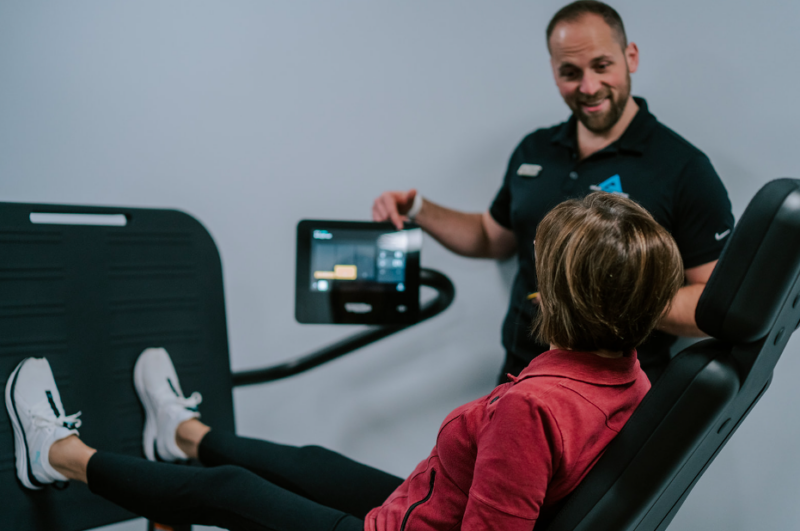
Determination gets you started. It rarely gets you all the way, and the number of people who attempt weight loss alone and end up back where they began says less about willpower than it does about the size of the job. Nutrition, training, and behavior change are three different skill sets, and expecting yourself to master all three solo, on top of a full life, is how good intentions turn into abandoned programs.
A real care team divides that load. Here’s who belongs on yours, and what each person does for you.
Take stock of what you have access to today. If the professional side of that list is empty, seeking it out is worth the effort, because the right team and community around you raises your odds of reaching your goals, and of still holding them years from now.
Putting It All Together: The Five-Question Audit
You’ve seen all five questions. Here they are as a checklist, so you can see exactly how ready you are to evaluate any program that wants your money.
Check Each Statement You Can Say Today
Your score shows how prepared you are to choose a weight loss program.
You know your why, your starting point, your pace, your metrics, and your people. Take those answers into any program’s intake conversation and you’ll know within minutes whether it deserves you.
You’ve done the reflection most people skip. The unchecked boxes are exactly what an assessment with a qualified professional resolves, often in a single visit.
No program can answer your why for you, and everything else builds on it. Spend a quiet twenty minutes on the first two questions before you compare a single membership price.
Take Home Message
Choosing a weight loss program comes down to five questions. Know why you’re losing weight, so the approach matches the goal. Know where you’re starting, so your expectations are fair to you. Pick a pace your calendar can honor. Measure success in more currencies than pounds. And put a care team and a community around you, because going it alone is the hardest possible version of this.
At Applied Fitness Solutions, those five questions are the intake, and our MY180 program is what they lead to: a care team of registered dietitians, exercise physiologists, and health coaches who assess your starting point, set a rate you can hold, and measure your progress in every way that counts. If you’re in the Ann Arbor area, you can also simply schedule a free consultation and bring us your five answers in person.
Ready to Answer the Five Questions Out Loud?
Sit down with a coach, walk through your answers, and leave with a program that fits your life. Your health belongs to you. Our job is to make sure it stays that way.
Explore the MY180 Program →
Sources
- Centers for Disease Control and Prevention. Losing weight. Healthy Weight and Growth.
- Centers for Disease Control and Prevention. Adult BMI calculator.