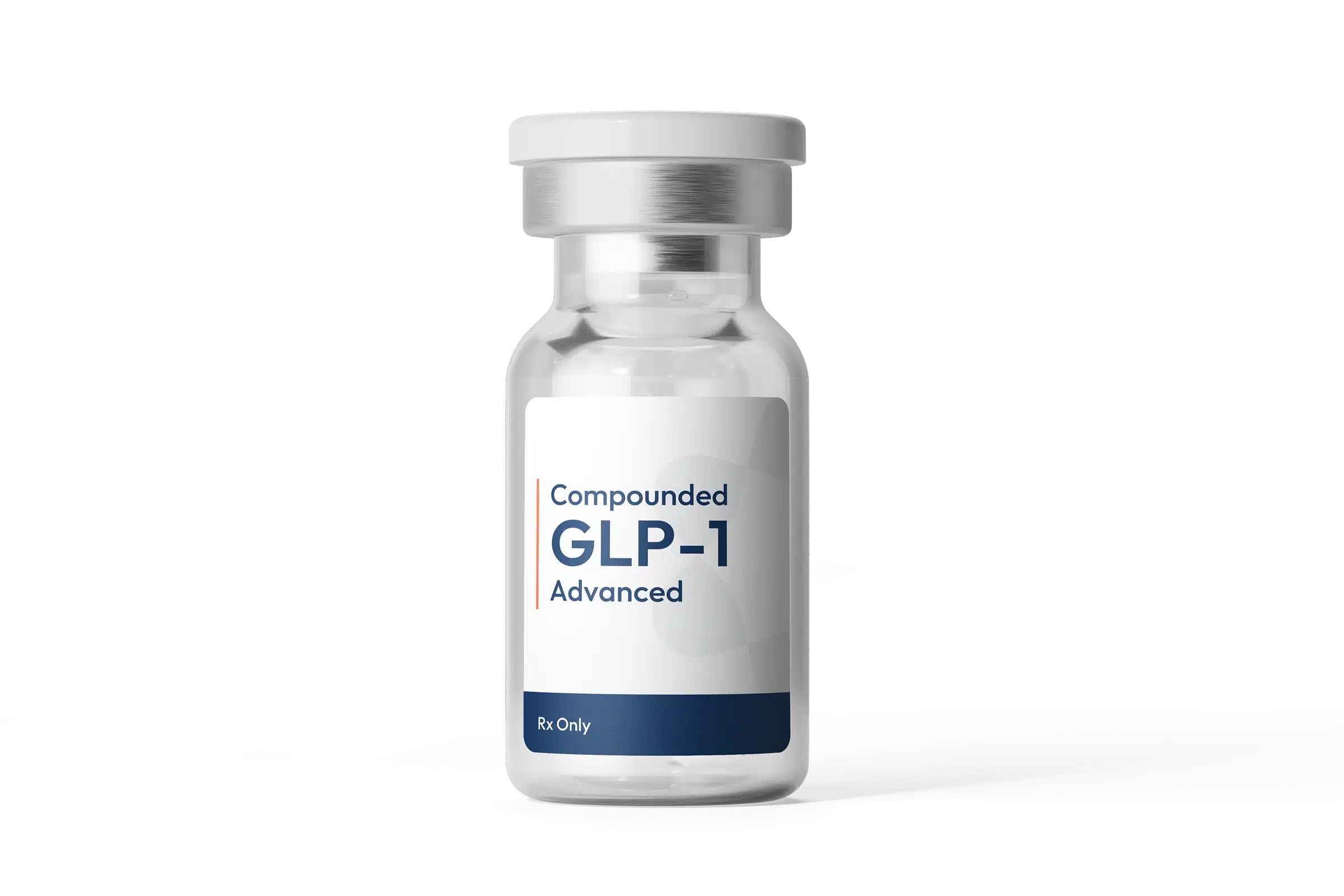
Weight loss drugs, more accurately called anti-obesity medications (AOMs) – like the GLP-1’s – represent a breakthrough in medicine that almost seems too good to be true. The objective reality is they are true, and incredibly effective for the treatment of obesity and other medical conditions. Some skeptics will point out that a big (maybe even disqualifying) side effect of the medications is the loss of muscle tissue. Unfortunately, those skeptics have it all wrong – loss of muscle isn’t the issue at all, losing muscle is very normal (and expected).
Weight Loss & Muscle Loss
If you examine the entirety of the scientific evidence on weight loss (medication-induced or not) you see a long history of muscle loss when losing weight. This happens for two reasons:
- As your body carries around less weight, it needs less muscle tissue to carry its weight around. Because of that, you’d expect some level of muscle mass to occur naturally.
- The significant reduction in energy (food) intake that results in weight loss will not only cause fat to be lost, but muscle tissue will be lost as well. This is just the nature of an energy deprived state
Even with aggressive strength training and extremely high protein diets, individuals losing large amounts of weight will lose 10-20% of their weight from muscle tissue. The greater the weight loss, the greater the loss of muscle mass. Because of that it shouldn’t be a surprise that people on AOMs have a significant amount of muscle mass given they’re losing in some cases upwards of 20-25% of their total body weight.
Skeptics will say this increases the risk of functional decline and puts individuals on AOMs at risk. This skepticism is unfounded, because it turns out that muscle mass and muscle function are two different things.
Muscle Mass vs. Muscle Function
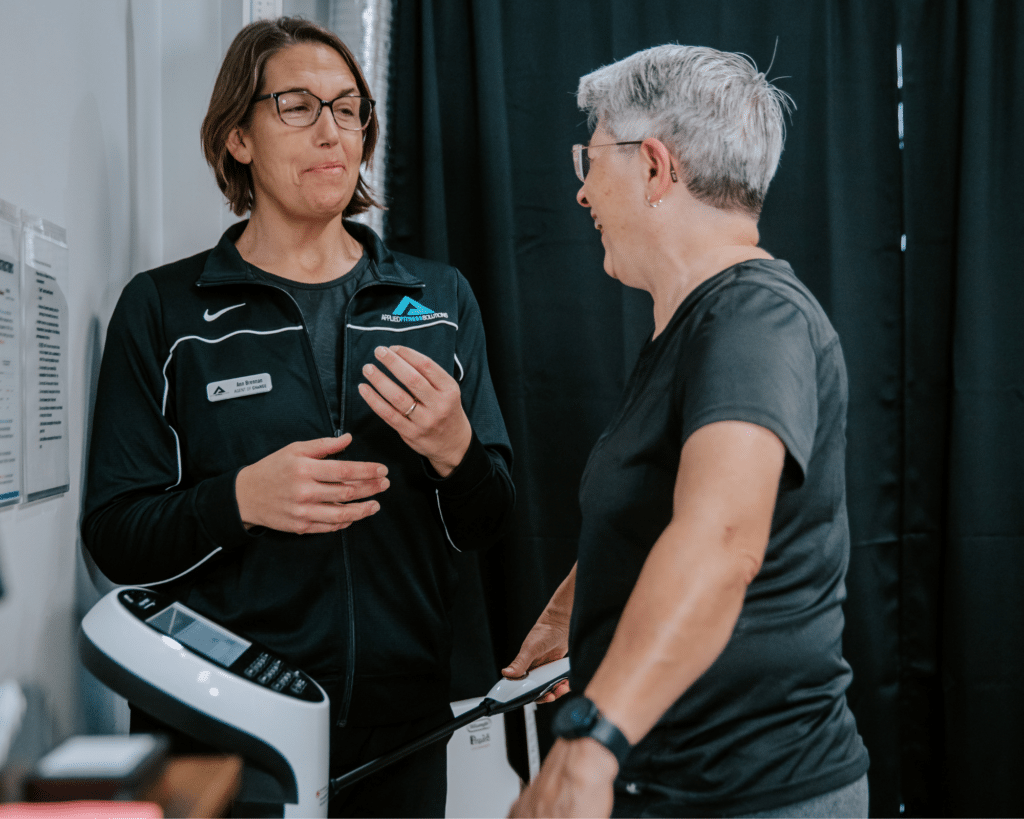
Muscle mass is exactly what it sounds like it is, the total amount of muscle you have in your body. Muscle function, on the other hand, is what your muscles can actually do – and this is what really matters.
Your muscles can produce a lot of force at low speed – we call this strength and we use it when have to lift a heavy box off the ground. Your muscles can produce force at higher speed – we call this power and we use it every time we get up out of a chair. Your muscles can also produce a little bit of force while resisting getting fatigued – we call this endurance and we use it whenever we carry groceries in from the car.
Here’s the thing with muscle function (or strength, power, and endurance) – muscle mass has less to do with it than you think. Strength and power improvement has a lot to do with the signals your brain sends your muscles by way of the spinal cord. Those nerve signals can be strengthened significantly through resistance training, resulting in significant increases in strength and power with little or no change in muscle mass. Muscular endurance as a lot to do with the metabolic machinery in your muscles. You can think of the machinery as all the things that produce energy (enzymes, mitochondria, etc.). This machinery can be improved with the right kind of strength training – again, with little to no change in muscle mass.
AFS Members on AOMs
The scientific evidence is quite clear on the disconnect between increases in muscle mass and increases in muscular strength, power, or endurance. The scientific literature isn’t the only place I see this. When I look at our member outcome data, I see this same trend emerge. Members who are on AOMs, losing significant amounts of weight and muscle mass (we can measure both) seeing increases in their upper and lower body strength, power, and endurance. We observe this trend irrespective of age, gender, or experience level (although the increases in muscle function are most pronounced for members with less strength training experience.
What Really Matters – Muscle Mass or Function
I’ll assume the majority of people reading this article aren’t looking to be professional bodybuilders. In fact, you’re probably someone who just wants to get to a healthy body weight, move around like you used to, and take back control of your health. You might even be on, or considering getting on an AOM. If that’s the case muscle function is what you care about. You want to be able to play with your kids and grandkids; go up and down stairs without pain or significant fatigue; and not have so many aches and pains. Those are all things that improved levels of muscle function give you – independent of muscle mass.
How to Improve Muscle Function
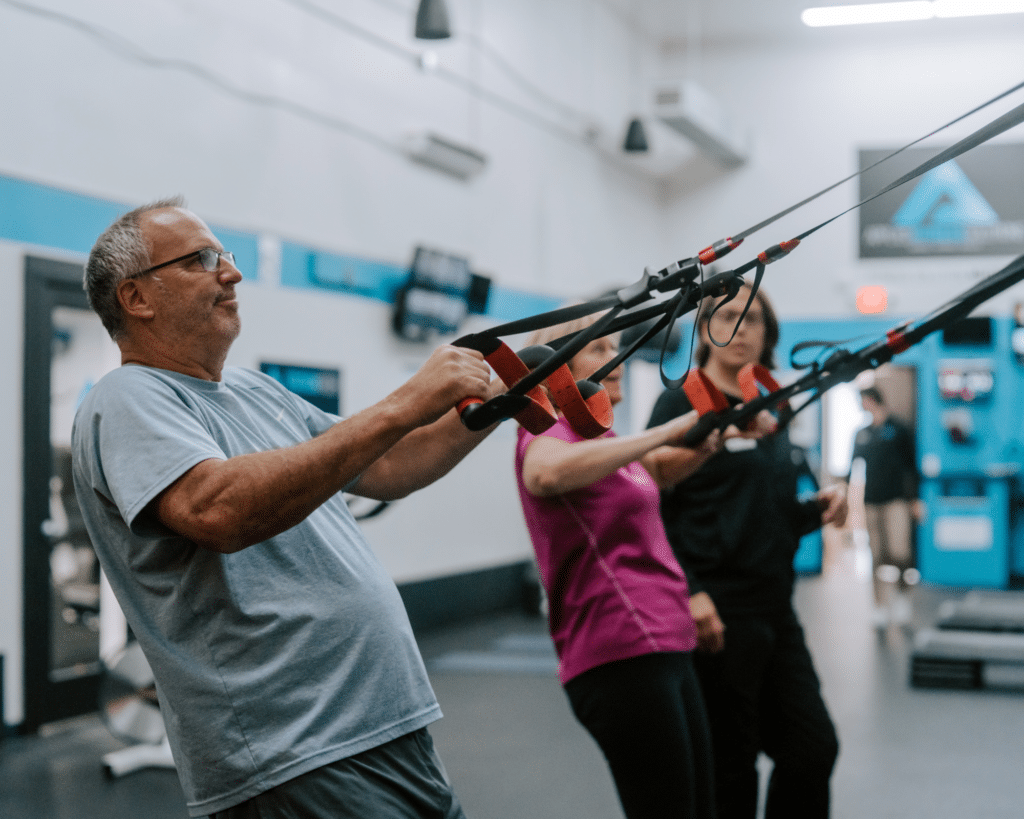
A well designed, progressive strength training program should be your focus. Even doing as little as 1-2 days per week of strength training with one set for all the major muscle groups can be enough to improve muscle function significantly. If you’re looking for somewhere to start, try this simple workout below (of course, consult your doctor first):
- DB Squats – 2 sets x 10-15 reps
- Lat Pulldown – 2 sets x 10-15 reps
- Heel Raises – 2 sets x 10-15 reps
- DB Overhead Press – 2 sets x 10-15 reps
Certainly you can do more and add more nuance to this. Our exercise physiologists at AFS are great at doing just that, but don’t wait on us to help you improve your muscle function. Those simple exercises above can start you on your path.
Need More Support?
To dive deeper into this topic and structure a plan around AOM’s, reach out to us to learn more about how we can help.